
Night Navigation on Coastal Paths and Beaches
Why coastal walking asks more of your boots
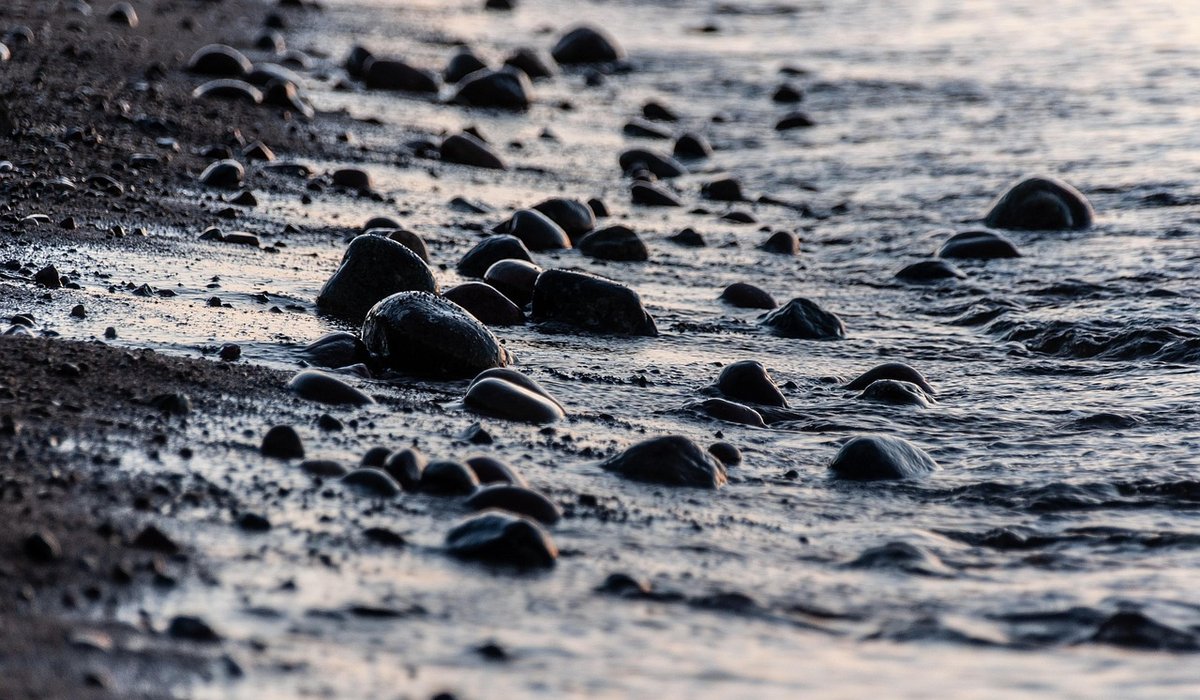
A coastal path rarely gives you one surface for long. You might start on gravel above a shingle beach, cross wet grass on a headland, drop down a set of harbour steps slick with green weed, then pick your way along an estuary path where the tide has left soft silt over cobbles. Add salt spray, wind-driven rain and the odd flooded quayside, and the ground underfoot changes character every mile.
Coastal mud is its own beast, too. It tends to be finer, wetter and saltier than inland mud, and it packs hard into the sole lugs as it dries, which steadily robs you of grip. Choose boots for the worst ground you expect and the rest of the walk becomes a pleasure rather than a series of small, ankle-jarring surprises.
Fit first, ankle support second
Buy for the fit before you look at anything else. Try boots on late in the afternoon, when your feet have already spread a little, and wear the socks you actually walk in. You want roughly a thumb's width between your longest toe and the front of the boot, a snug but not pinching hold across the instep, and a heel that stays put when you walk up a ramp in the shop. A boot that shifts at the heel will give you blisters on the first decent hill.
For coastal terrain, a mid-height boot with a padded collar is usually the sweet spot. The cuff should rise comfortably above the ankle bone and offer enough stiffness to resist rolling sideways when you step on a loose cobble or a rounded rock. Too stiff and you feel clumsy on boardwalks and sand; too soft and you may as well be wearing trainers. Carry a loaded rucksack around the shop for a few minutes; if the boot twists under load, walk away.
Soles that cope with shingle, rock and weed
The outsole is where coastal walking is won or lost. Look for lugs around four to five millimetres deep, set with enough space between them to shed mud rather than clog. A softer rubber compound grips wet rock far better than a hard one, which tends to skate across damp granite and slate. Very aggressive, tightly packed lugs are excellent in mud but can fill up quickly on clay-heavy estuary paths.
- Shingle and gravel: a slightly firmer midsole and a reasonably broad contact area stop the boot from rolling under you on loose stones.
- Wet rock and seaweed: soft rubber and a defined heel brake help on sloping slipways, though nothing grips perfectly on green algae.
- Harbour steps: a modest toe rand protects the front of the boot as you scuff worn stone and ironwork.
- Mud: open lug patterns clear themselves as you walk; shallow tread turns into a slick and useless surface.
Waterproofing that still breathes
Wet grass and salt spray will soak through anything porous within minutes, so a waterproof boot with a breathable lining is the sensible default. Leather uppers resist abrasion from rock and shingle well and can be reproofed for years, but they need more looking after and take longer to dry. Synthetic uppers are lighter, need less breaking in and dry faster, though they tend to wear through sooner on rough ground.
Breathability matters more than many walkers expect. Trudging up a steep cliff path in waterproof boots with no ventilation leaves you with damp socks and cold feet by the time you reach the top. If your feet run hot, consider a lighter three-season boot; if you're out in winter squalls and standing water, lean towards something more substantial and accept the weight.
Socks, lacing and the small details
- Socks: a wool-blend walking sock wicks moisture and stays warm when damp. A thin liner underneath reduces friction on long days.
- Lacing: use a heel-lock pattern for descents so your toes don't jam against the front of the boot.
- Tongue: a gusseted tongue keeps grit, sand and salt water out of the boot.
- Weight: every gram counts by mile twelve; heavy boots are tiring on mixed coastal ground.
- Insoles: removable footbeds let you swap in something with more arch support, or dry them separately.
Looking after boots on and after the coast
Salt is quietly destructive. It crystallises in leather, corrodes metal eyelets and eats stitching, so rinse your boots in fresh water once you're home, inside and out if they've been soaked. Knock dried mud out of the lugs with a stick or blunt knife, then dry the boots slowly at room temperature, away from radiators and never in a tumble dryer, which shrinks leather and delaminates soles.
Clean leather uppers with a damp cloth and reproof them with wax or conditioner every few walks; a well-fed boot sheds water instead of absorbing it. Check laces for salt-crusted weak spots and replace them before they snap halfway along a remote stretch of coast. When the lugs wear flat or the midsole starts to crumble, it's time for a resole or a new pair. Treat your boots well and they'll carry you comfortably past harbour walls, lighthouses and salt marshes for many seasons of walking.
LEAVE A COMMENT