
Essential Safety Kit for Coastal Path Walking
Choose a Short, Well-Waymarked Route First
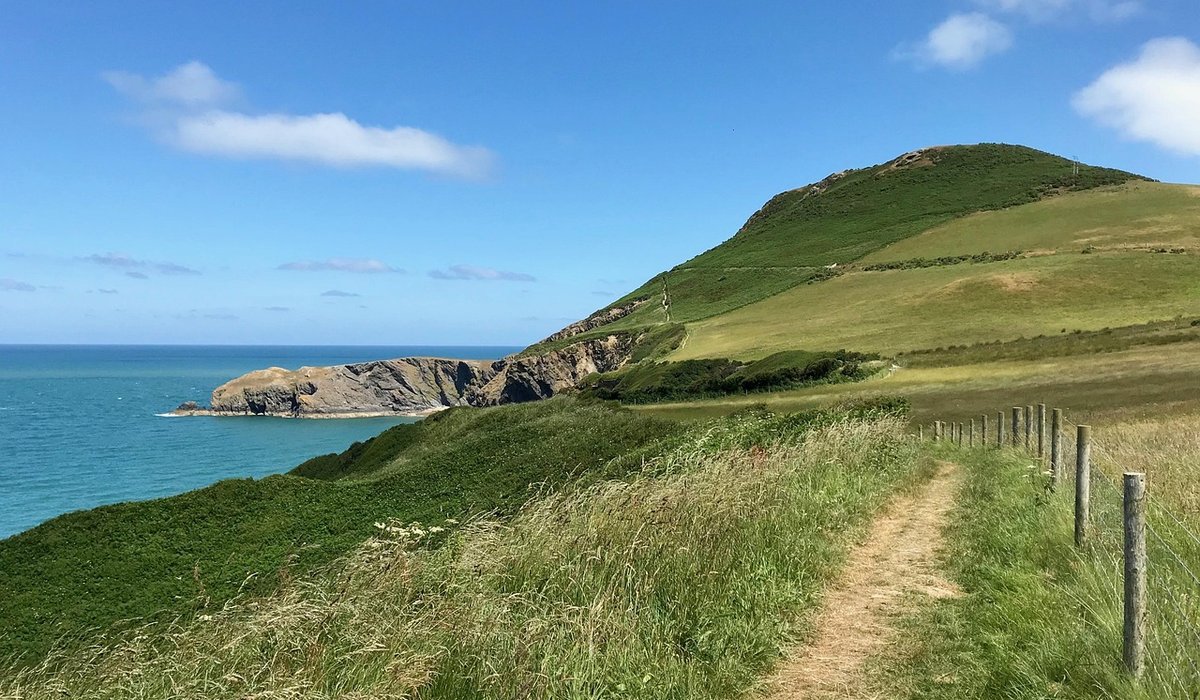
There is nothing quite like your first proper coastal walk. The sound of the sea below you, the smell of salt and gorse, and the sudden wide-open view as the path rounds a headland — it is worth every step. The trick is to make sure the walk is a pleasure rather than an epic, and that starts long before you pull your boots on.
Pick a route of 5 to 8 kilometres to begin with. A linear stretch with a bus stop or a second car at the far end works beautifully, but a there-and-back route along the same clifftop is just as good, because you can turn round at any point without needing to worry about how you will get back.
Buy or borrow a paper map at 1:25,000 scale and study it at the kitchen table before you go. Look for the words "coast path" printed along the route, and note any inland alternatives in case a section is closed by a landslip or the tide. A path that hugs the cliff edge can be impassable after winter storms, so always have a plan B drawn on the map.
- Check the distance honestly — cliff paths with steps and steep ascents take far longer than flat walking.
- Allow roughly two kilometres per hour on stepped or muddy coastal ground, not the four you might manage on a towpath.
- Note where the cafés, pubs and public toilets are. A hot drink halfway round is a genuine morale boost.
Check the Weather and the Tides Before You Leave the House
Coastal weather changes faster than inland weather, and it is often windier on the cliffs than it is in the nearest town. Look at a forecast for the specific stretch of coast you are walking, not just the county town, and pay particular attention to wind speed and direction. A brisk onshore wind can make an exposed headland genuinely difficult to stand up on, let alone walk along. Sea fog can roll in within minutes and turn a familiar path into something disorientating.
Tides matter even if you never intend to go near the water. Many lovely coastal paths drop down to a beach, a harbour wall or a causeway, and it is very easy to be cut off by a rising tide that comes in faster than you expect. Check a tide table for the nearest port and note the times of high water. If a beach section is only passable at low tide, build your day around it rather than hoping for the best.
If the forecast is poor, postpone. The coast will still be there next weekend, and a walk in horizontal rain with a gale behind it is not the memory you want from your first outing.
Tell Someone Your Plans — and Stick to Them
Before you set off, tell a friend or family member where you are going, roughly what time you expect to finish, and who to contact if you do not. Give them the grid reference of your start point and your finish point, and the colour of your jacket and rucksack. It takes two minutes and it is the single most useful safety habit a walker can have.
Keep your phone charged and consider carrying a small power bank. Signal on the coast is patchy — excellent on a headland, non-existent in a wooded valley — so save your battery for the moments you need it. Agree in advance that you will send a message when you are back at the car, and do send it. People worry, and rightly so.
Pack for Wind, Rain and Mud, Not Just Sunshine
Coastal walking punishes bad kit decisions. Even on a warm day, the wind on an exposed cliff can chill you quickly, and sitting down for lunch in a damp sea breeze is a fast route to feeling cold.
- Footwear: boots or sturdy shoes with grip. Coastal paths are often muddy, stony and steep.
- Layers: a base layer, a warm mid-layer and a waterproof jacket that actually keeps water out.
- Water and food: more than you think you need, plus something salty and something sweet.
- Sun protection: sun cream, a hat and sunglasses. Sea breezes hide the strength of the sun.
- Extras: a torch or head torch, a whistle, a small first-aid kit and a charged phone.
Walk Smart on Cliff Paths and Beaches
Stay well back from the cliff edge. Eroded ground can look solid and give way without warning, and the safest line is usually the one the path takes you on. Keep dogs on a lead near livestock and near unfenced edges, and be considerate of the people whose land and working harbours you are walking through.
Cross beaches below the high-water mark where the sand is firmest, and turn back if you find yourself sinking or if the tide has already turned. Stay clear of wet rocks, sea walls and breaking waves — waves can sweep over a ledge and take you with them.
Know When to Turn Back
The hardest decision on any walk is the decision to stop. Set a turnaround time and honour it, whatever the view around the corner promises. If the weather closes in, if someone in the group is struggling, or if you are simply slower than planned, turn back. It is not a failure; it is good judgement, and it is what experienced coastal walkers do all the time.
Take regular short breaks, drink before you feel thirsty, and eat something every couple of hours. If you need help, dial 999 and ask for the coastguard, and be ready to describe exactly what you can see around you — a landmark, a beach name, or your precise location from a mapping app.
LEAVE A COMMENT