
Tide Pool Wildlife: Common Creatures to Identify
Why short coastal walks work best with young children
The coast is a wonderful place to walk with children, but it plays by different rules to a woodland path or a country park. Sea air, wind and the constant temptation to stop and investigate every rock pool make small legs tire faster than the map suggests. A route of one to three miles is usually plenty, and anything with a natural halfway point is even better. Think of a coastal walk not as a march to a viewpoint but as a slow amble with a purpose: a harbour wall to reach, a lighthouse to spot, a bench with a view where the flask comes out. Done that way, everyone arrives back at the car cheerful rather than carried.
What makes a route genuinely family-friendly
Before you commit to a walk, run through the practical checklist. These are the details that turn a lovely-looking route into an easy day out.
- Firm, well-drained paths. Surfaced promenades, compacted gravel and boardwalk are ideal. Loose shingle, steep grass and muddy field edges are hard work with short legs and a buggy.
- Benches and low walls. Frequent resting places let you pace the walk. Use each bench as a mini goal and the distance disappears.
- Toilets at both ends. Start and finish somewhere with public facilities. It is worth planning the whole outing around this single point.
- Easy turnaround points. A gate, a slipway, a car park or a clearly marked bench halfway along means you can turn back without a debate. Children cope far better with a planned short walk than a curtailed long one.
- Options to shorten. A bus stop, a second car left at the far end or a circular loop that can be trimmed all give you flexibility if the weather turns.
- Shelter and shade. Sea walls, hedged lanes and dunes offer a break from wind and sun, and keep the walk comfortable in both directions.
Short coastal routes that fit the brief
You do not need a famous long-distance path to enjoy maritime scenery. Some of the best family walking follows a harbour, a promenade or an estuary for a mile or so and then simply stops, which is exactly the point.
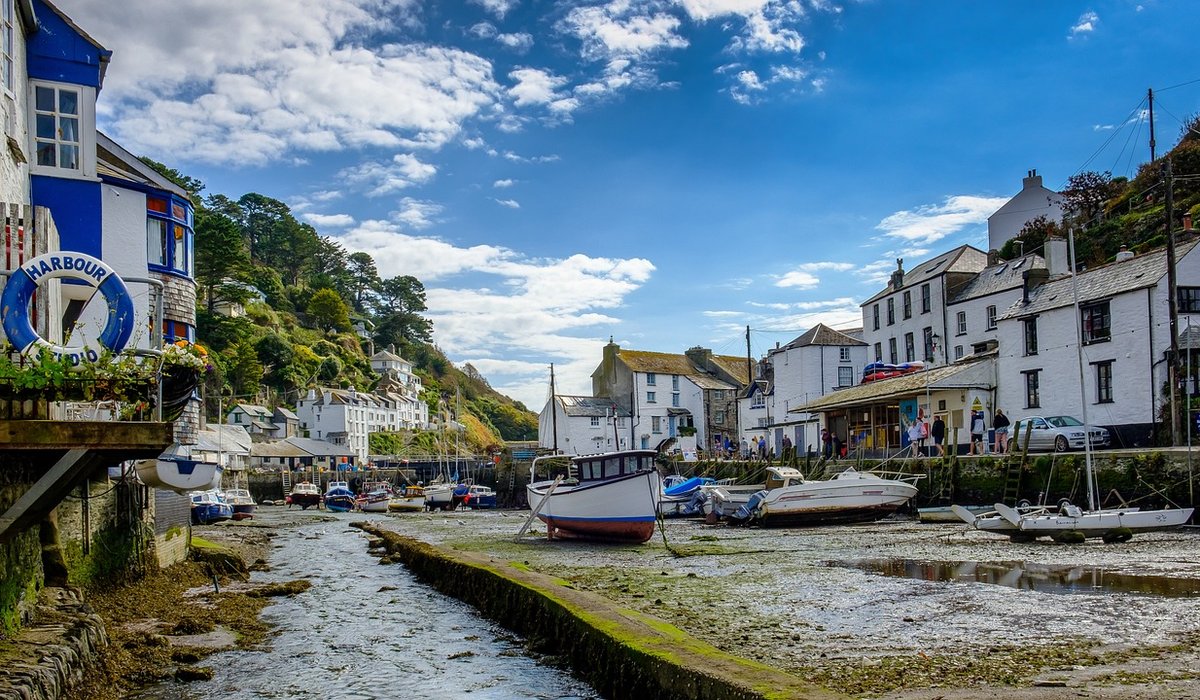
- Harbour and headland loops such as those found along the Cornish and Pembrokeshire coasts, where a working quay leads to a short, railed cliff path and back through the village.
- Promenade strolls in the tradition of East Yorkshire, Sussex and Lancashire seaside towns, with level tarmac, plenty of benches and a pier or two to aim for.
- Estuary boardwalks and bird hides in Norfolk, Essex and the Solway, where the path is flat, the wildlife is close and the turning point is obvious.
- Dune and beach circuits in Northumberland, Anglesey and the Lancashire coast, where firm sand at low tide makes for easy walking and the dunes give shelter on the return.
Whichever you choose, check the surface underfoot before setting off. A route described as easy can still mean a steep set of steps down to a beach, which is fine going down and hard work coming back up.
Maritime heritage to spot along the way
Coastal walking in Britain is rarely just scenery. Almost every short route passes something with a story, and children engage far more when they have something specific to look for.
- Harbour walls and quaysides with iron bollards, capstans and worn stone steps where boats were once loaded by hand.
- Lighthouses and daymarks, including the small white towers and striped leading lights that guided vessels into narrow channels.
- Coastguard lookout huts and lifeboat stations, often perched on the highest point of a short clifftop walk.
- Martello towers and pillboxes, reminders of invasion scares and wartime defences, usually reachable on a level path.
- Lime kilns, salt pans and old fish cellars, quiet ruins that show how coastal communities once made a living.
A simple spotting list written on the back of an envelope turns a stroll into a treasure hunt and costs nothing.
Tides, timing and turning back
On the coast, the tide matters more than the distance. Check a tide table before you go, and never walk out across sand or around a headland when the water is coming in. If the route involves a beach, plan it for the two hours either side of low water and keep an eye on the seaward side as you go. Walk into the wind on the way out and let it push you home; it is much easier to persuade tired children to keep going when the wind is at their backs. Allow roughly double the time an adult would take, and start earlier than you think you need to, so there is no pressure to hurry. Finally, agree your turnaround point before you set off. A firm "we turn back at the second bench" removes negotiation entirely and keeps the day relaxed.
Keeping small walkers cheerful
Snacks do more for family walking than any piece of kit. Pack water, something to eat at each stop, spare socks and a lightweight waterproof for everyone. Layers beat thick coats, because coastal weather changes quickly and children overheat on the uphill stretches. Binoculars, a small bag for shells and a camera for lighthouse photographs all add purpose. And be willing to stop early. The best coastal walks with young children finish while everyone still wants more, which is exactly what brings you back to the same stretch of coast next year.
LEAVE A COMMENT