
Essential Safety Kit for Coastal Path Walking
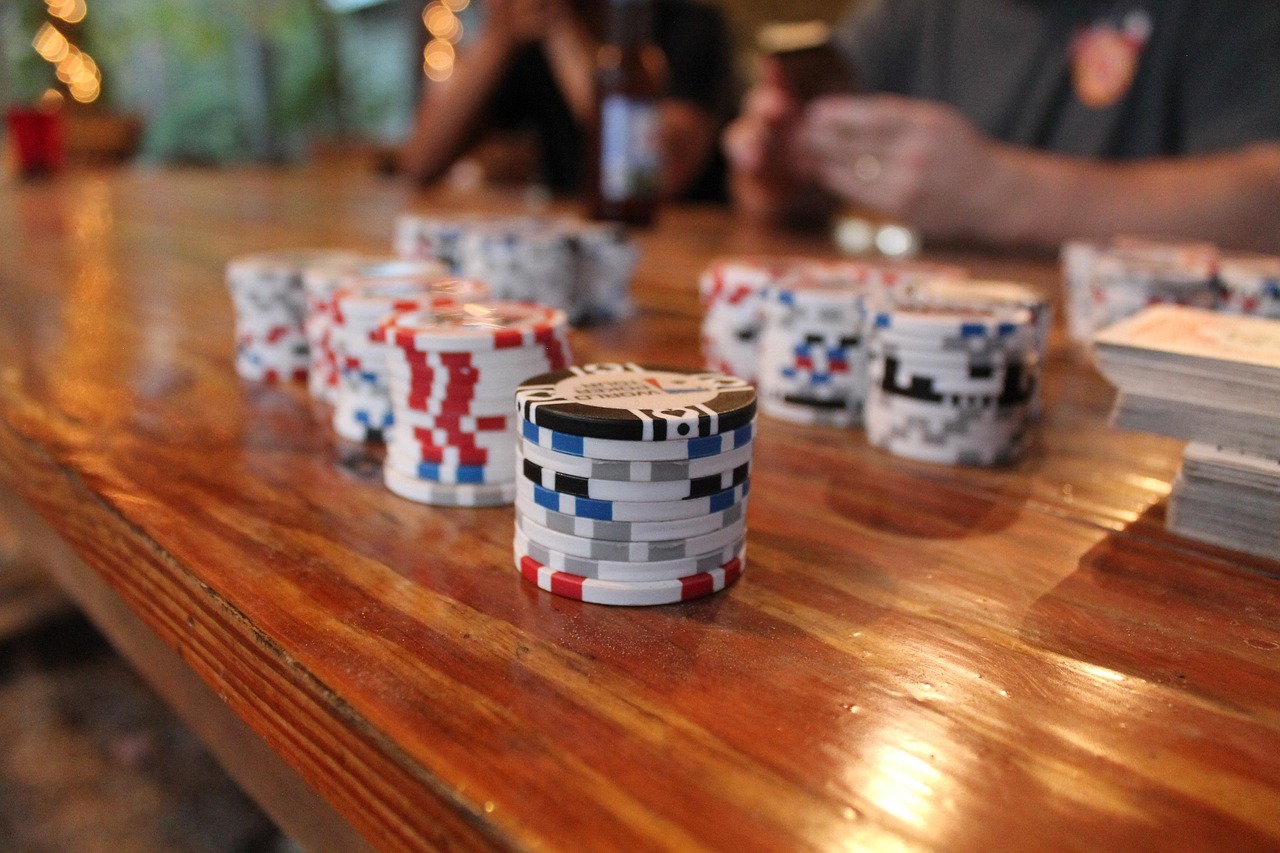
Two players sit down at the same online slot, both with a $200 bankroll and a 50-cent spin. One walks away two hours later with $600. The other busts in twenty minutes. They're not playing different games, and they're not luckier than each other. The difference is volatility, and if you don't understand it, you're essentially gambling on a game you haven't finished reading the rules for.
Most casual players obsess over RTP (return to player) and ignore everything else. That's a mistake. RTP tells you what a slot pays back over millions of spins. Volatility tells you how it pays back — in a steady drip or in rare, violent explosions. That distinction shapes your entire session, and it's the single most useful concept in modern iGaming.
What Slot Volatility Actually Means
Volatility is the mathematical variance in a game's payout distribution. A low-volatility slot pays small amounts frequently. A high-volatility slot pays rarely, but when it hits, it can be enormous. Both can have identical RTPs — say 96.5% — and still feel like completely different games. SHBET goes into the finer points.
Think of it like this: a 96% RTP low-volatility slot is a slow leak. You lose a little, win a little, and the house edge grinds you down over hours. A 96% RTP high-volatility slot is closer to buying lottery tickets — long dry spells punctuated by a 5,000x multiplier that can double your bankroll in a single spin.
Neither is "better." They just require different strategies for bankroll management and different expectations about session length.
The Three Practical Tiers (and Where Slots Usually Sit)
Developers rarely label volatility explicitly, but you can categorise slots into three bands:
- Low volatility: 10–30% of spins return something. Max wins typically under 250x. Examples include classic 3-reel fruit slots and many beginner-friendly Pragmatic titles like Fire Strike.
- Medium volatility: Max wins land between 250x and 2,500x. Hits arrive at a cadence you can actually feel. Games like Book of Dead and Starburst sit here, though Starburst is famously on the lower edge.
- High volatility: Max wins of 5,000x to 100,000x or more. Bonuses can take hundreds of spins to trigger, and base-game hits are stingy. Money Train 2, San Quentin xWays, and Dead or Alive 2 are textbook examples.
That last group is where most modern "max win" marketing lives. A 100,000x max win on a $1 spin is $100,000 — but the odds of hitting it are frequently better than 1 in 1 million. Read the paytable and the game rules, not the promotional graphic.
Why Bankroll Size Dictates Your Volatility Choice
Here's the rule that separates players who survive a weekend from those who reload on Saturday night: your bankroll should be 200–400x your average bet for high-volatility slots, and roughly 100–150x for low-volatility games.
Put another way, if you're spinning at $1 on a high-volatility slot with a max win of 50,000x, you need at least $200–$400 to have a realistic shot at surviving long enough to trigger a bonus. With a $50 bankroll, you're not playing a slot — you're buying a raffle ticket with extra steps.
A quick practical test when choosing a game: Some of the clearest guidance on this comes from SH BET.
- Check the max win. Under 500x? Low to medium. Over 5,000x? Assume high.
- Look at the paytable for the scatter/bonus trigger frequency if published (many slots show it in the game rules).
- Multiply your bankroll by 0.5% to get a "sustainable" base bet for high-volatility play. A $300 bankroll means $1.50 spins, not $5.
- Decide upfront: is this a session game (steady play, low volatility) or a swing game (hunting a bonus on high volatility)?
Slot Volatility vs Casino Games: A Quick Contrast
Slots aren't the only games where variance matters. Table games have wildly different volatility profiles, and mixing them up is how people accidentally burn through a bankroll.
- Blackjack: Low to medium volatility. Basic strategy puts house edge near 0.5%, and variance per hand is modest. Long sessions are viable.
- Roulette: Low volatility on even-money bets (red/black), extreme on single numbers. A straight-up bet pays 35:1 but hits once every 37 spins on average.
- Video poker: Jacks or Better with perfect strategy sits near 99.5% RTP, but the royal flush carries most of that value. Without it, effective RTP drops several percentage points — a perfect example of hidden volatility.
- Poker (cash games): Skill reduces long-term variance, but short-term swings can still be brutal. Bankroll requirements of 20–40 buy-ins for cash and 100+ for tournaments exist precisely because of variance.
The takeaway: anywhere you see a payout distribution, volatility governs how much capital you need to ride it out.
Three Myths About High-Volatility Slots
Myth 1: "It's due for a bonus." Slots don't have memory. Each spin is independent. A slot that hasn't paid a bonus in 500 spins is exactly as likely to trigger on spin 501 as it was on spin 1. This is called the gambler's fallacy, and it empties more wallets than bad luck ever will.
Myth 2: "High volatility means higher RTP." Not remotely true. Volatility and RTP are independent variables. A high-volatility slot can have a 94% RTP while a low-volatility one sits at 97%. Always check both.
Myth 3: "A bigger max win means a better game." A 100,000x max win on a game with a 1-in-10-million hit rate is entertainment, not strategy. The expected value is what it always was — the RTP. Everything else is psychology.
How to Actually Use This Information
Next time you open a slot, spend ninety seconds on research before you spin. Find the RTP, estimate the volatility from the max win and paytable, and match it to your bankroll. If you have $100 and the game advertises a 50,000x max win, pick a different game, or drop your bet to 25 cents and accept that the bonus might not arrive this session.
The players who last aren't the ones chasing the biggest jackpots. They're the ones who understand that volatility is a tool — not a promise. A low-volatility session can be a slow, steady grind with plenty of small wins. A high-volatility session should be treated as a lottery ticket with a defined cost. Knowing which one you're buying is the entire game, and it's a skill no slot can take away from you.
LEAVE A COMMENT