
Essential Safety Kit for Coastal Path Walking
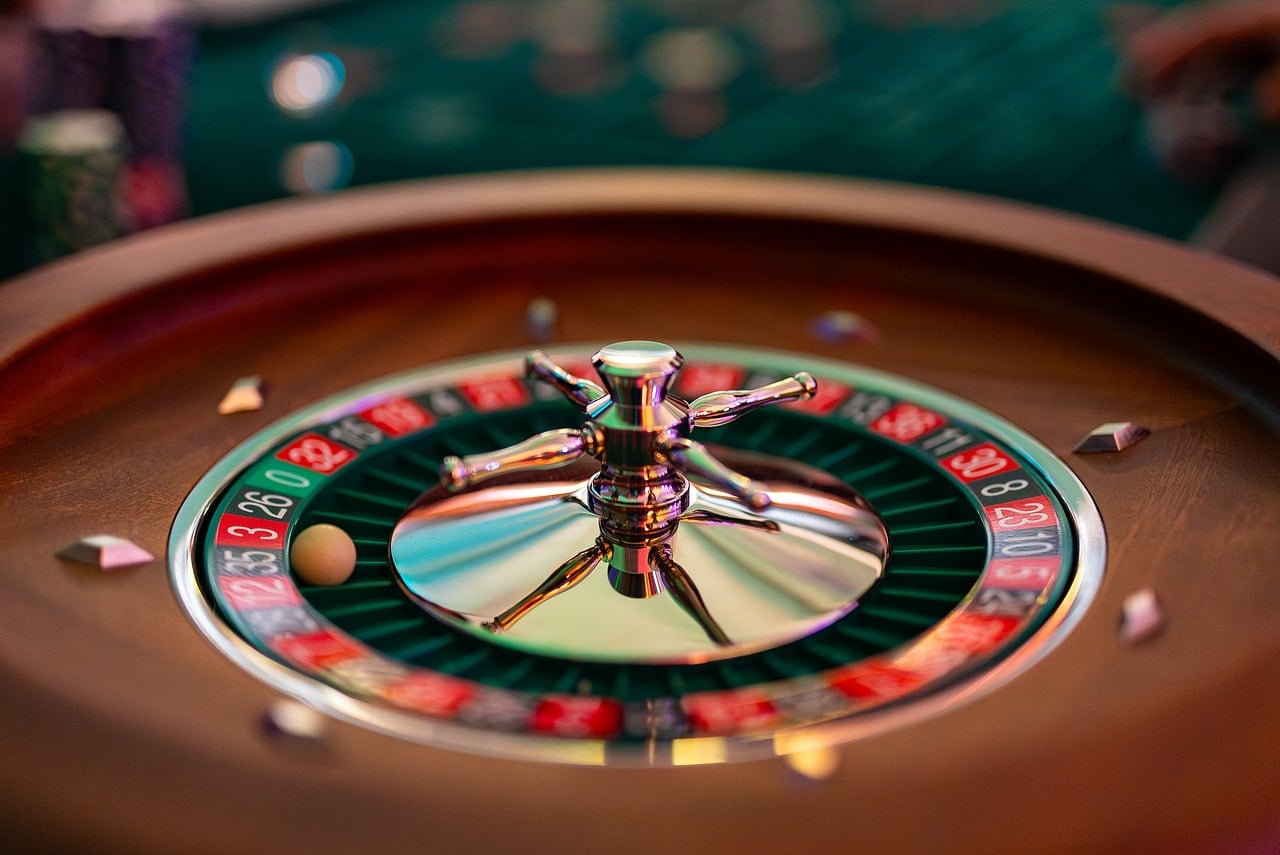
Every gambler has heard the phrase "the house always wins." It's the kind of line that gets tossed around by people who've never spent a Saturday night sweating a three-outer on the river. But here's the uncomfortable truth: the house does win in the long run, mathematically guaranteed. And yet, millions of people keep coming back to casinos, poker rooms, sportsbooks and online slots every single year. So what's really going on?
The answer isn't that gamblers are stupid. It's that the modern iGaming ecosystem is a far more sophisticated animal than most people realize. There are edges to be found, entertainment value to extract and disciplines worth learning — even inside a game designed to separate you from your bankroll. Let's dig into what makes this industry tick and how smart players navigate it.
The Real Math Behind Casino Games
Let's start with the part nobody wants to talk about at the blackjack table. Every game in a casino carries a house edge, and that edge is the casino's built-in profit margin. It's not a scam. It's the price of doing business, baked into the rules.
- Blackjack: Roughly 0.5% house edge with optimal basic strategy, but 2-4% for the average player who plays hunches.
- European roulette: 2.7%. American roulette with the double zero? A brutal 5.26%.
- Slots: Typically 2-10% depending on the machine and jurisdiction. Online slots often sit at 2-5% because operators don't pay the same overhead.
- Video poker (Jacks or Better, full pay): Around 0.46% — one of the best bets in the building if you play perfectly.
- Keno: Often 25-35%. Just walk away.
That last point is important. Not all games are created equal. A poker player who understands pot odds and position is playing a fundamentally different game than someone feeding a $5 slot machine ten times a minute.
Poker Is the Exception That Proves the Rule
Poker is the one major casino game where you're not playing against the house — you're playing against other humans. The casino takes a rake, sure, but a skilled player can genuinely beat the game over tens of thousands of hands. That's why poker rooms have survived everything from Black Friday to the poker boom bust. Skill matters.
But here's the catch: the variance in poker is savage. Even a player with a true win rate of 5 big blinds per 100 hands can lose for 50,000 hands. Ask anyone who's grinded mid-stakes online. The mental game — bankroll management, tilt control, emotional detachment — matters as much as the technical game. That's why so many promising players burn out. They can calculate combinatorics but can't handle a three-buy-in downswing without punting it all back. You can read more about this at FAFA828.
If you want a concrete starting point, study preflop ranges. Tight-aggressive play from early position, expanding on the button. It's boring. It works.
Slots: Entertainment, Not Investment
Let's be honest about slots. The variance is astronomical, the RTP (return to player) is fixed, and no amount of button-mashing skill changes the outcome. A slot machine with a 96% RTP returns $96 on average for every $100 wagered over millions of spins. Your session is a tiny sample size where anything can happen.
That doesn't mean slots can't be fun. They're the most popular casino product globally, and modern online slots — with their Megaways mechanics, bonus buy features and cascading reels — are genuinely entertaining. Just don't walk in expecting to profit. Think of it like a movie ticket. You're paying for the experience.
A few practical tips:
- Check the RTP before you play. Most jurisdictions publish it, and anything under 94% is worth skipping.
- Set a loss limit before your first spin and treat it as money already spent.
- Avoid "chasing" bonuses with insane wagering requirements — 40x playthrough on a 96% RTP slot is a money pit.
Sports Betting and the Sharp vs. Square Divide
Sports betting has exploded since the US Supreme Court struck down PASPA in 2018. What used to be a Vegas and offshore niche is now a smartphone pastime in over 30 states. And with that explosion has come a culture war between "sharps" (professional bettors who move lines) and "squares" (recreational bettors who bet favorites and parlays).
The house edge on a standard -110 point spread is about 4.5%. That's steep. To beat it long-term, you need an edge that the market doesn't know about — injury news you spotted first, a weather report that affects totals, or a slow-moving line at a smaller book. Most recreational bettors don't have that. They bet with their hearts.
Line shopping is the single easiest way to improve your returns. The difference between -110 and -105 on 1,000 bets adds up to real money. Take five minutes and open accounts at multiple sportsbooks. It's not glamorous, but it's free value.
Bankroll Management Is the Whole Game
Here's the part that separates people who enjoy gambling from people who destroy their lives over it. Bankroll management isn't a suggestion — it's the only rule that actually matters.
Casinos don't need to cheat you. They just need you to stay long enough for the math to grind you down. The longer you play, the closer your results drift toward the house edge. That's not fate. That's probability.
Practical bankroll rules that sharps actually use:
- For poker cash games, never buy in for more than 5% of a dedicated bankroll. For tournaments, 1-2%.
- For sports betting, flat-bet 1-2% of your bankroll per wager regardless of confidence.
- For slots, decide the session budget before you log in. When it's gone, it's gone.
- Never chase losses with money you need for rent. That's not a bankroll. That's a problem.
If you take nothing else from this article, take this: gambling with money you can't afford to lose isn't gambling. It's gambling with your life. There's a difference, and every honest veteran in this industry knows it.
The Bottom Line
The house always wins in the aggregate — that's not a myth, it's arithmetic. But individuals play sessions, not aggregates. Some of them walk out up. A very small number keep walking out up month after month by treating what they do as a discipline rather than a lottery ticket.
Whether you're spinning slots, grinding poker tournaments or betting Sunday's NFL slate, approach it with clear eyes. Know the edge. Shop the line. Set the limit. Enjoy the sweat — because let's be honest, that's the real product being sold. The casino sells hope and adrenaline, packaged with a mathematically predetermined tax. The smart player pays that tax knowingly, keeps it small, and never lets the math run their life.
LEAVE A COMMENT